Preparing Your Body for Ski Season: Proactive Whiplash Prevention Advice
Canyon Creek Chiropractic • October 28, 2026
As ski season approaches, many Cottonwood Heights residents eagerly dust off their gear and get ready for another year on the slopes. At Canyon Creek Chiropractic, we know just how essential injury prevention is—especially when it comes to whiplash, a risk that spikes with winter sports. Proper preparation isn’t just about better performance; it’s about safeguarding your neck and spine so you can enjoy the season without interruption.
Taking a few critical steps now can minimize your chances of injury and help you bounce back quickly if a fall does occur. Here’s a proactive roadmap to ensure your body is ski-season ready and whiplash doesn’t cut your winter short.
What We Cover:
- Stage 1: Assess Your Readiness
- Stage 2: Schedule Preventive Care and Training
- Stage 3: Protect Yourself on the Slopes
- Frequently Asked Questions
- Take Action Before the First Run
Stage 1: Assess Your Readiness
Before heading to the mountains, take time to honestly evaluate your current physical condition:
• Review Last Year’s Injuries: Address any lingering neck pain, stiffness, or unresolved injuries with your chiropractor before ski season.
• Check Your Range of Motion: If you notice limited neck mobility or persistent tenderness, these are early red flags for whiplash risk.
• Self-Audit Flexibility: Tight shoulders and upper back muscles make it harder to absorb impact safely when you fall.
• Set Realistic Expectations: If it’s been months since your last physical prep, ease into training rather than jumping back in full force.
► Most important urgency fact: Many whiplash injuries occur on early-season runs when the body isn’t yet conditioned for sudden slips or impacts.
Stage 2: Schedule Preventive Care and Training
A little advance work can make all the difference once you’re on the slopes. Focus on these priorities:
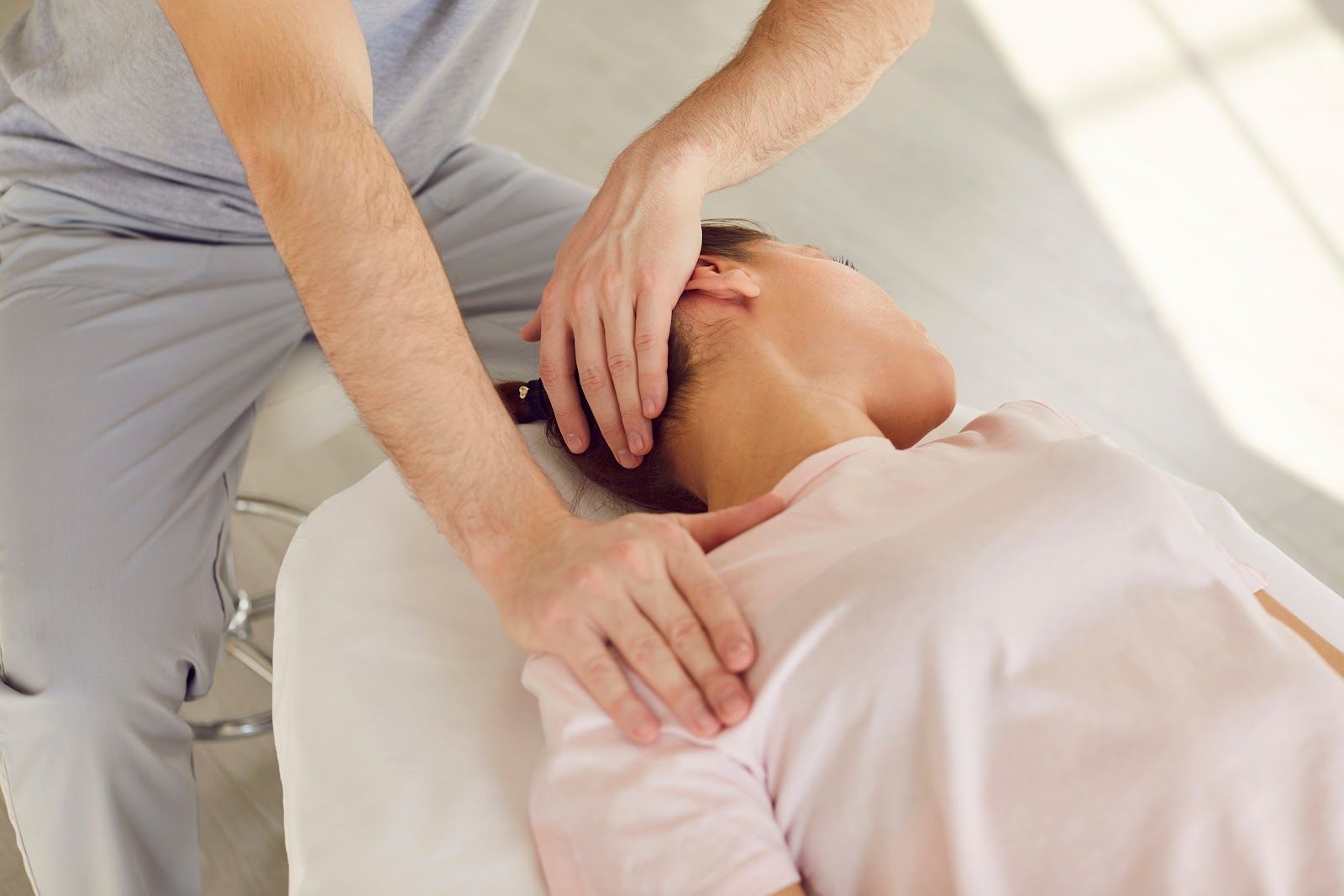
• Schedule a Pre-Season Assessment: See your chiropractor for a spinal and postural check to identify hidden vulnerabilities.
• Plan an Exercise Routine: Start gentle neck, back, and core strengthening exercises at least 2-4 weeks before your first ski day.
• Arrange for Gear Fitting: Make sure helmets and neck protection fit snugly and are in good condition—don’t underestimate their role in preventing whiplash.
• Practice Warm-Ups: Learn and rehearse effective dynamic stretches that target skiing muscles and joints.
Stage 3: Protect Yourself on the Slopes
Once you’re carving down the Cottonwood Heights trails, these habits help safeguard your neck and spine:
• Always Warm Up: A quick pre-run routine activates protective reflexes and reduces strain risk.
• Don’t Push through Pain: If you notice neck tightness or headaches post-fall, seek care before returning to the slopes.
• Use Proper Form: Stay mindful of technique—keep weight balanced, avoid over-rotating the head, and pay attention to fatigue.
• Decompress After Skiing: Post-activity stretching and hydration help ward off cumulative strain.
Frequently Asked Questions
Is whiplash common in skiing accidents?
Yes, whiplash can occur even at moderate ski speeds, especially if you catch an edge, fall abruptly, or collide with another skier. Fast, unexpected neck movements are the primary risk.
What warm-ups and gear help minimize risk?
Dynamic stretches for the neck, shoulders, and upper back, paired with well-fitted helmets and, for some skiers, neck guards, provide meaningful protection. Always check the gear before each use for integrity.
Should you see a chiropractor before or after ski season?
It’s wise to schedule a chiropractic visit both before and after ski season. Pre-season, an assessment can flag deficits or past injuries; post-season, care can catch and treat minor issues before they become chronic.
Take Action Before the First Run
A little preparation goes a long way in keeping you whiplash-free and ready for every run this winter. If you ski in Cottonwood Heights and want a smarter, safer approach to the season,
contact Canyon Creek Chiropractic for advice or a pre-season evaluation. Helping you stay safe, strong, and confident is our goal—so you can embrace winter adventure with peace of mind.
Share This Blog