Cold Laser Therapy and Whiplash: Myths vs. Clinical Results
Canyon Creek Chiropractic • November 18, 2026
Canyon Creek Chiropractic frequently works with patients in Cottonwood Heights who are searching for new approaches to manage their whiplash pain and heal more effectively. Cold laser therapy often enters the conversation, yet many people have strong misconceptions about what it can—and cannot—achieve. This treatment is sometimes overhyped online or dismissed as “just light therapy,” leaving patients understandably confused about its role in real whiplash recovery.
This piece sorts out the facts from the myths, directly addressing whether cold laser therapy for whiplash is supported by clinical evidence, what patients in Cottonwood Heights should expect, and how it fits within a comprehensive treatment plan.
Here’s what we cover:
- Common myths about cold laser therapy for whiplash
- What the current clinical research and practice reveal
- Practical considerations for Cottonwood Heights patients
- When cold laser therapy makes sense—and when it doesn’t
Myths and Misconceptions Surrounding Cold Laser Therapy
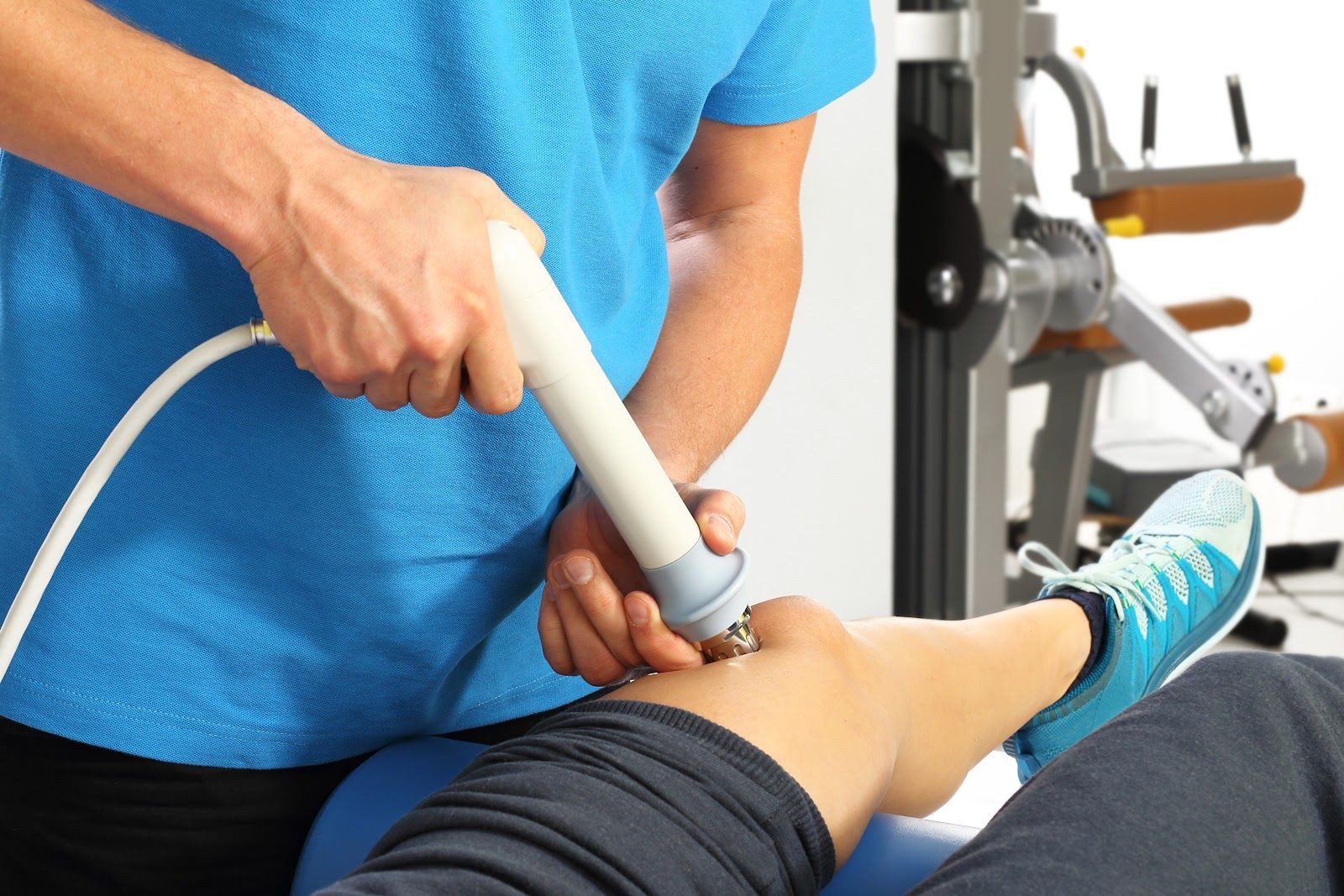
Cold laser therapy, formally known as low-level laser therapy (LLLT), has been subject to widespread misunderstanding. Some believe it simply masks pain without promoting real healing, while others expect it to act as a miracle cure for any musculoskeletal injury.
The truth, particularly in the context of whiplash, is more nuanced. LLLT does not “instantly heal” injuries, and it’s not meant to replace manual therapies, adjustments, or physical rehabilitation. Instead, it is one component within a broader clinical toolkit that supports tissue recovery and pain control.
What Clinical Research Actually Shows
Over the past decade, numerous studies have evaluated cold laser therapy for whiplash and other soft tissue injuries. The consistent findings: LLLT can help decrease inflammation, reduce muscle spasm, and promote cellular repair when applied to injured tissues, provided it’s used with the correct wavelength and dosage.
The best results are seen when cold laser therapy is paired with hands-on care like chiropractic adjustment or therapeutic exercises. At Canyon Creek Chiropractic, we find that Cottonwood Heights patients benefit most when LLLT is integrated into a stepwise recovery plan rather than used in isolation. The pain-relieving effects are real, but so are realistic expectations—cold laser therapy is a supportive, not standalone, solution.
Practical Implications for Cottonwood Heights Whiplash Patients
For those who wonder, “Does cold laser therapy really help with whiplash recovery?” the answer is yes, if it is used alongside therapies that restore function, alignment, and movement. Cold laser is appealing because it is non-invasive and has almost no side effects, making it a good option for people who might not tolerate manual therapy alone when injuries are fresh. It can also help speed up the transition from the acute phase to more active rehabilitation.
However, it’s important for patients to understand that the effects build gradually, typically over multiple sessions. Most people notice reduced pain and stiffness after a few treatments, especially when combined with chiropractic adjustment or physical therapy.
When Is Cold Laser Therapy the Right Choice?
Cold laser therapy works best for those dealing with muscle tightness, soft tissue swelling, or lingering inflammation after whiplash. It may be less effective for severe structural injuries or when nerve damage and disc involvement are present. Cottonwood Heights residents should seek guidance from a provider who considers their unique injury profile before starting treatment.
Receiving cold laser at a reputable clinic like Canyon Creek Chiropractic ensures the proper setting, frequency, and coordination with other therapies—a key detail supported by research.
Setting Clear Expectations for Recovery
A clear-eyed approach to innovation helps patients avoid disappointment and get the most from new therapies. Cold laser therapy’s true value comes from its ability to complement, not replace, expert manual care and exercise. If you’re considering cold laser therapy for whiplash in Cottonwood Heights, your best outcome comes from working with clinicians who understand both its potential and its limits.
Share This Blog